← All services
Brakes
Recommended interval
Inspect brakes every 12,000 miles or once a year. Most pads last 30,000–70,000 miles depending on driving. Brake fluid flush every 30,000 miles.
What's included
- Brake pad and rotor replacement
- Caliper service and replacement
- Brake fluid flush
- Parking brake adjustment
- Full system inspection
Signs you may need this
- Squealing or grinding when braking
- Pulsing or vibration in the pedal
- Longer stopping distances
- Brake warning light on
Understanding your vehicle's braking system
Your brakes are one of the most important safety systems on your vehicle. Knowing how they work — and spotting early warning signs — helps keep you and everyone else on the road safe.
How your braking system works
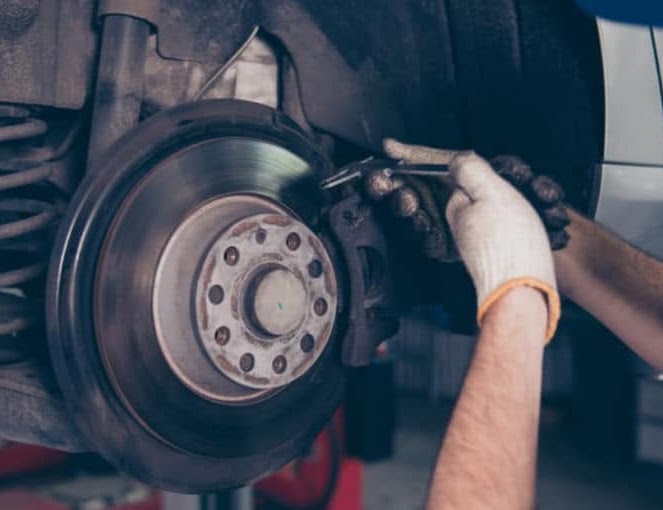
When you press the pedal, hydraulic fluid travels through the brake lines to the calipers or wheel cylinders. Those press the pads or shoes against the rotors or drums, and the friction slows the vehicle down.
Signs your brakes need attention
- Squealing or grinding: High-pitched squeal or a grinding sound while braking usually means worn pads or shoes.
- Soft or spongy pedal: A pedal that feels soft can point to air in the lines or a leak in the hydraulic system.
- Vibration or pulsation: Shaking through the pedal or steering wheel when braking often points to warped rotors.
- Pulling to one side: If the vehicle pulls when you brake, it can be uneven pad wear or a sticking caliper.
What to do when you notice brake issues
- Don't put it off: Ignoring brake problems is a safety issue and usually leads to a bigger repair bill later.
- Get them inspected: If you notice any of the signs above, have the brakes looked at as soon as you can.
- Replace worn parts: Worn pads, rotors, or hydraulic components should be replaced right away.
- Stay on top of maintenance: Regular inspections and periodic brake fluid service keep the system working the way it should.
Have something not listed?
If you don't see the service you need, reach out — chances are we do it.
Contact us